What Can I Eat On A Detox Diet

One of the most frequently asked questions I come across is “what can I eat on a detox diet?”

While are some hard and fast rules about what not to eat on a detox diet, when it comes to “what can I eat on a detox diet” it’s largely a case of eating small regular meals of fresh fruits, vegetables and lean meats. Ideally, your detox diet should be made up of organic detox foods as much as possible. There are lots of foods that detox the body, but the main criteria is organic where possible, and as fresh as possible.

What Can I Eat On A Detox Diet – Eat At Least Three Meals Every Day

During your detox program you must eat a minimum of three meals and a maximum of five meals every day from your suggested detox foods list. It is all too easy to skip a meal due to lack of time or the unavailability of a particular food. But skipping meals will lead to much lower dips in energy and much higher surges that last just a few moments.

Eating five or six smaller meals throughout the day is much better for our bodies. Over the course of your detox diet, you should never go longer than four hours without a small meal. Leaving yourself hungry or your stomach empty for long periods will result in your body being exposed to digestive acids. If your hunger becomes too strong you are more likely to crave fatty or sugary foods – none of which are on the ” what can i eat on a detox diet” list.

Ideally, you should have breakfast before 9 a.m., lunch before 2 p.m. and your evening meal before 7 p.m. This gives your body sufficient time co digest and absorb the foods that detox your body before your next meal. It also allows your body to process all foods each day before the following day starts. (In a healthy body, foods should normally take less than 24 hours to go from eating to elimination but most people take more than twice that length of time.)

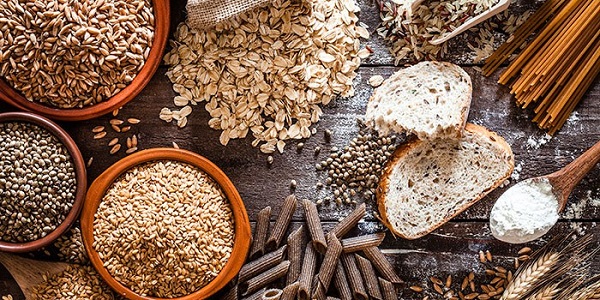
What Can I Eat On A Detox Diet? You must have at least one portion of short-grain brown rice every day. Rice is one of the most absorbent carbohydrates we have in our diet. It also seems to avoid the problems of allergic reactions and intolerances that many wheat-based carbohydrates cause. Brown rice promotes good bowel health and keeps blood sugar levels balanced (bread and potatoes give a much sharper rise in blood sugar, resulting in an inevitable drop). Its absorbency means that it can act as a ‘plunger’ for our lower intestines, and the shorter-grain varieties seem to scour and clean the intestine more thoroughly.

Imagine your household pipes after 30 years of use – it is likely mat they have either corroded or you have had to call in a plumber to sort out all the minor and major blockages. Brown rice acts like a sponge that travels through your gut, collecting all the silt and waste on the way and then flushing it out. As you detox your body, each time waste is removed it is not replaced. This means that each time you eat absorbent rice it will break away a little more of the waste until your gut is completely cleansed. Short-grain brown rice is the most absorbent and should be used through out a detox program.

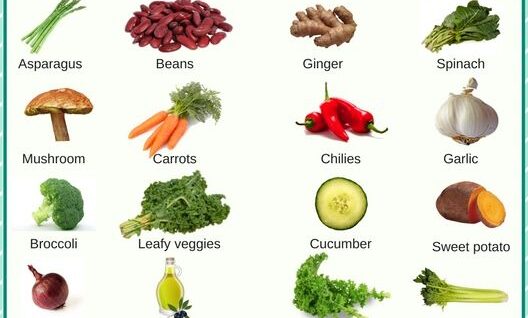
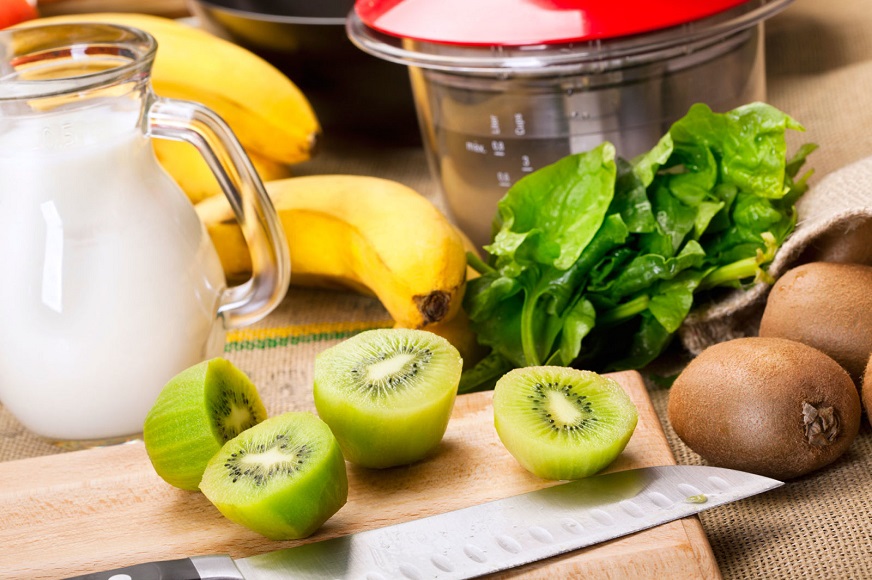
What Can I Eat On A Detox Diet? Have at least three portions of vegetables (one should be raw), three portions of raw/fresh or dried fruit, and three portions of salad.

Fresh and/or raw vegetables, fruit and salads contain many, many essential nutrients for a healthy and balanced diet. Raw fruit and vegetables contain active ingredients that protect against cancer, heart disease, immune deficiency, deteriorating eyesight and brain dysfunction.

Fruit and vegetables contain large amounts of essential vitamins, ammo acids and minerals. They have high fiber and high potassium. They contain very little waste and very few calories. Fruit and vegetables are nearly entirely goodness. You should attempt to eat fresh fruit and vegetables when they are really fresh. The longer you store them, the more nutrients are lost. And as soon as you begin to process or cook them, the goodness starts to disappear. Raw food equals raw energy, it cleans the gut more efficiently and contains high levels of dietary fiber. Try to eat as much as possible of your fruit and vegetable quota in its raw state. Or at least make sure that a high percentage is raw (e.g. raw salad and lightly steamed vegetables). Raw vegetables can also be mixed with cooked vegetables – why not try grated carrot and beetroot over a bowl of grilled vegetables?

Hopefully that will help answer your question of “what can i eat on a detox diet” – it’s all about eating healthy and eating often.


Detox Supplements

Comments on this entry are closed.

Previous post: Liver Detox Diet Foods

Next post: Body Detox Tips